Spinal Tensegrity: Adapting to Stress with Structural Integrity
Understanding spinal function as a three-dimensional tensegrity system offers a fresh perspective on how your spine adapts to daily stress and supports overall well-being.
What Is Tensegrity in the Spine?
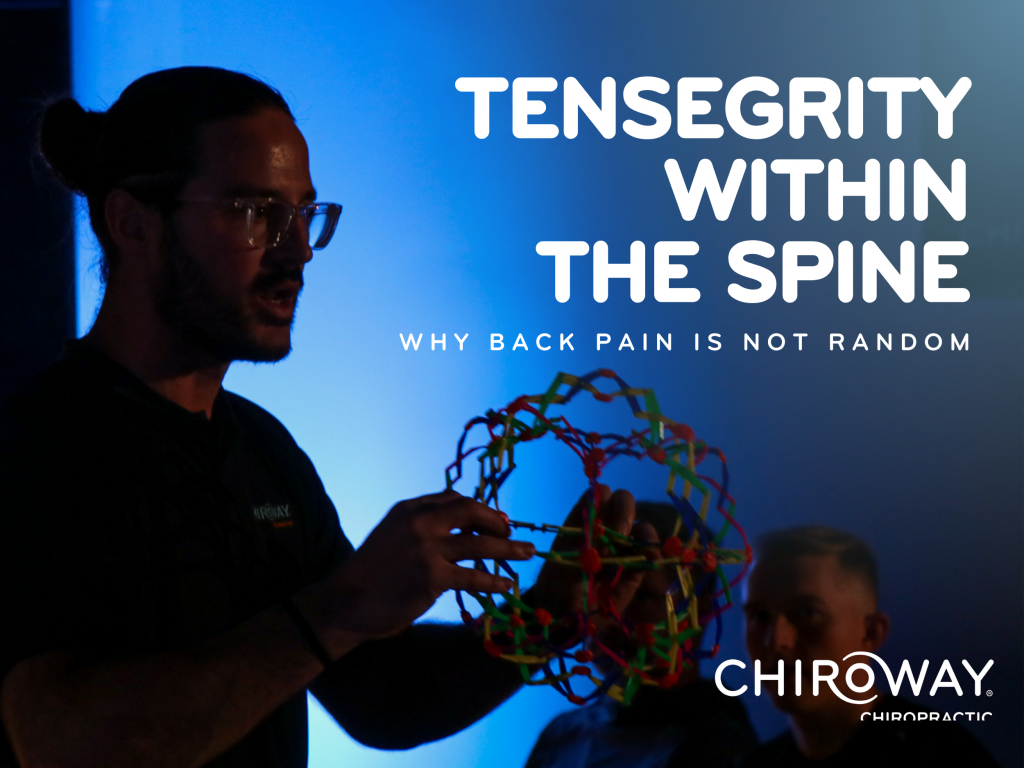
Your spine acts as a fulcrum point—a central support structure that adapts to compressive forces and stabilizes your body. In tensegrity terms, your spine distributes stress across a network of floating fulcrum points, which shift, contract, and expand in response to physical demands.
This dynamic balance between compression (stress) and expansion (adaptation) creates a responsive state of form known as tonal tension.
Introducing the Vertemere
In chiropractic terminology, each spinal unit is referred to as a vertemere, which includes vertebrae, discs, connective tissues, and the embedded nerves. As part of the tensegrity model, these units operate like floating fulcrum points that maintain form and function through adaptive tension.
Why This Matters for Adaptation
Every time your spine reacts to stress—whether mechanical or emotional—there’s a biomechanical response at the tissue level. This requires ongoing coordination through your neurological system to keep everything aligned and functional.
If that coordination breaks down, or the spine holds too much or too little tension, it can cause interference in neurological communication. These interferences, often caused by vertebral subluxation, affect how effectively your body can adapt to stress.
Chiropractic and Optimal Tension
Most people think of nerve interference as bone-on-nerve pressure, but tensegrity shows us that it’s also about tissue tone. Even subtle imbalances in tissue tension can interfere with the vital electrochemical communication traveling through your spine.
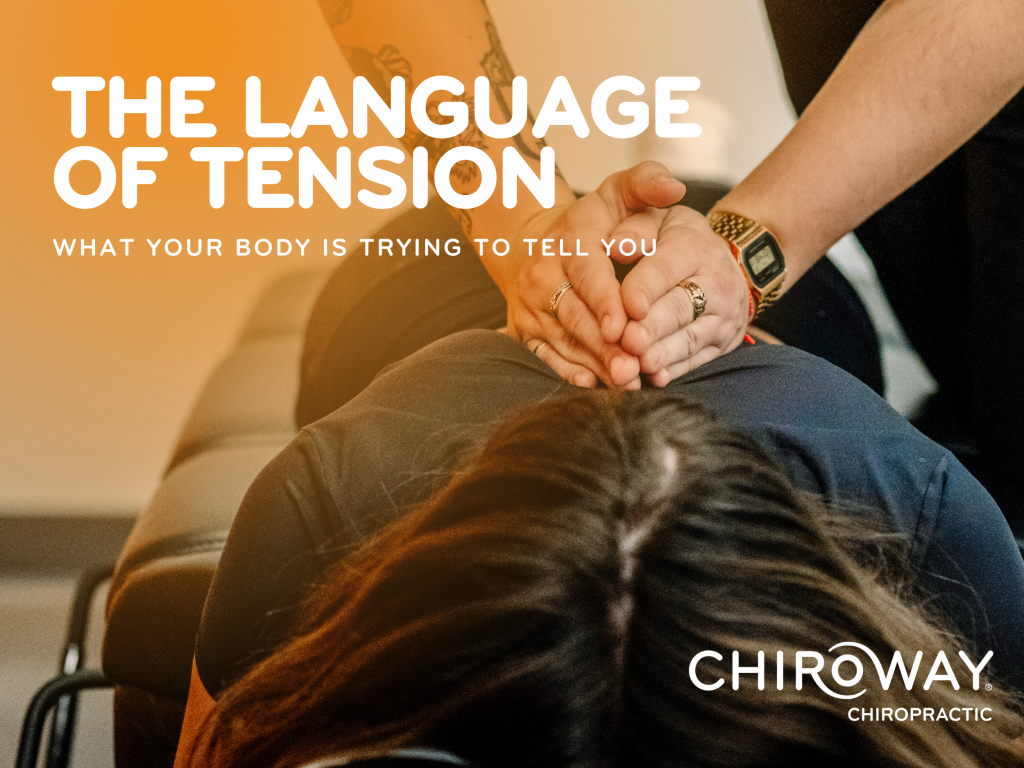
By restoring spinal alignment and integrity through regular chiropractic adjustments, you allow your nervous system to communicate effectively—supporting adaptation, resilience, and overall well-being.